Reviving Kanuri Language Education: Kanempress Calls for reintroduction of Kanuri Language Lessons in Pre- and Post-Primary Schools in Borno and Yobe States for Cultural Preservation
By Alhaji Umar & Babagana Jidda
Kanempress 29 August 2023

Maiduguri, Monday 28 August 2023 – Amidst the bustling streets of Maiduguri, a call for the preservation of cultural heritage rings out, resonating with urgency. Kanempress Digital Hub, a vanguard of cultural and social progress, has raised its voice in a bid to safeguard the Kanuri language, an essential thread in the tapestry of Borno and Yobe states’ cultural identity. The plea comes in the form of a fervent appeal for the reintroduction of Kanuri language lessons at pre- and post-primary school levels, aiming to counter the fading echoes of a language that once thrived.
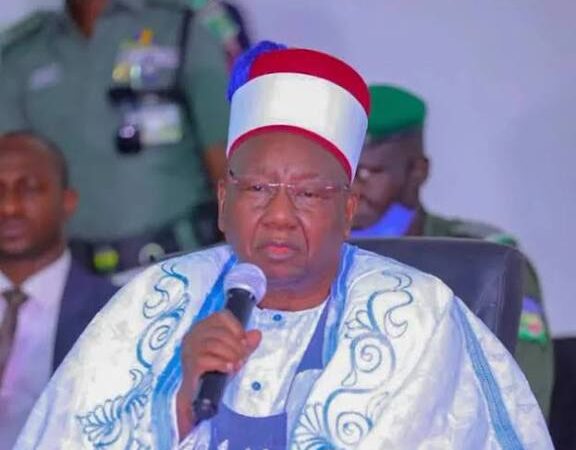
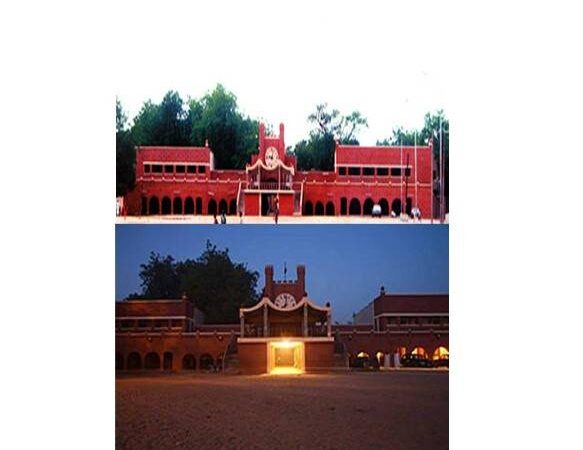
The visionary behind this clarion call, Zannah Ibrahim Mustapha, the founder and president of Kanempress Digital Hub, led his dedicated team to the heart of history, the palace of the revered Shehu of Borno, His Eminence Alhaji Abubakar Garbai Al-Amin El-Kanemi. Amidst the regal aura of the palace, Zanna Ibrahim Mustapha articulated a message of urgency, passion and a deep-seated commitment to preserving the linguistic essence of the Kanuri culture.
A language, like a river, carries the stories, wisdom and heritage of a people. Yet, the modern currents threaten to erode this invaluable legacy. Spoken and written Kanuri, once vibrant symbols of identity, now face a silent threat from the tide of modernity. As technology and globalisation reshape the cultural landscape, the distinct rhythm of Kanuri, which once resonated through generations, risks fading into obscurity.
The narrative of Kanuri language education is not one confined to the present moment. In the annals of time, there was a period when schools in Borno and Yobe states championed the teaching of Kanuri. This commitment to preserving language and culture enriched the educational experience, nurturing a sense of belonging and fostering pride in one’s linguistic heritage.
However, the passage of time has borne witness to a gradual decline in the prominence of Kanuri language lessons. The echoes of Kanuri spoken in classrooms have grown faint, while the once-flourishing connection to written Kanuri has diminished. In the face of these somber changes, Kanempress Digital Hub’s clarion call emerges as a rallying cry for revival.
The concern voiced by Kanempress Digital Hub reverberates as an unwelcome circumstance that merits attention. The Hub’s dedication to the progress of the social and cultural aspects of the Lake Chad region in Borno and Yobe states is mirrored in its genuine concern for the survival of the Kanuri language. With a commitment to forging a brighter future, the Hub’s message emphasizes the critical role of education in cultural preservation.
As the sun sets on that pivotal meeting at the Shehu’s palace, Zannah Ibrahim Mustapha’s appeal lingers, a beacon of hope that illuminates the path ahead. The revival of Kanuri language education carries with it the promise of preserving identity, fostering pride and nurturing unity.
In the wake of this call, the torchbearers of cultural preservation, the Shehu of Borno and Kanempress Digital Hub, stand united in their commitment to preserving a linguistic legacy. Their voices resonate as guardians of tradition, protectors of heritage, and ambassadors of a timeless culture that deserves to shine brightly in the modern world.
Kanempress Digital Hub’s Blueprint for Restoring Kanuri Literary Glory
In the solemn corridors of the Shehu of Borno’s palace, a profound dialogue took place, resonating with the urgency of preserving cultural heritage. Zannah Ibrahim Mustapha, the founder and president of Kanempress Digital Hub, not only voiced concern over the fading echoes of the Kanuri language but also illuminated a path forward. In this pivotal moment, Mustapha outlined a set of guidelines aimed at restoring the dignity and lost glory of Kanuri literacy in society.
Guideline 1: Integrated Curriculum Reinvigoration:
Mustapha emphasised the need for educational institutions to reinvigorate the curriculum with integrated Kanuri language lessons. By integrating the language into daily education, schools can foster a sense of pride in students and nurture a seamless transition from spoken to written Kanuri. This approach ensures that linguistic heritage is not treated as an isolated module but rather woven into the fabric of learning.
Guideline 2: Community Engagement and Participation:
The Kanuri language thrives within the communities that cherish it. Mustapha stressed the significance of community engagement and participation in promoting Kanuri literacy. Collaborative efforts between schools, families, and community leaders can reignite interest and instill a collective responsibility for preserving the language. Cultural events, storytelling sessions and language-focused initiatives can bridge generations and foster a renewed sense of belonging.
Guideline 3: Digital Innovation for Literacy:
In an era where technology is ubiquitous, Mustapha advocated for leveraging digital innovation to rekindle Kanuri literacy. Kanempress Digital Hub envisions creating digital platforms and resources that facilitate learning the language. Interactive apps, e-learning modules and digital libraries can make Kanuri learning accessible to a broader audience, transcending geographical boundaries and enhancing engagement.
Guideline 4: Cultural Celebrations and Competitions:
Celebrating culture fosters a sense of identity and pride. Mustapha highlighted the importance of organizing cultural celebrations and competitions that revolve around Kanuri language and heritage. Literary contests, poetry recitations and cultural festivals can create platforms for showcasing linguistic prowess and creativity, encouraging individuals to explore and contribute to the Kanuri literary landscape.
Guideline 5: Collaboration with Educational Stakeholders:
The path to restoring Kanuri literary glory requires collaborative efforts. Mustapha urged collaboration between educational institutions, government bodies, cultural organisations and community leaders. By aligning efforts, sharing resources and fostering a united front, stakeholders can amplify the impact of initiatives aimed at rejuvenating Kanuri literacy.
Guideline 6: Preservation of Oral Traditions
Oral traditions are the heartbeat of a language’s heritage. Mustapha emphasised the preservation of Kanuri oral traditions, including storytelling, folktales and songs. These traditions are repositories of linguistic richness and historical wisdom. Efforts to document, digitise and share these traditions ensure that the essence of Kanuri endures through generations.
Guideline 7: Advocacy and Awareness Campaigns:
Creating a groundswell of support for Kanuri literacy requires advocacy and awareness campaigns. Mustapha proposed initiatives that promote the importance of Kanuri language education, encouraging parents, educators and policymakers to prioritise its preservation. These campaigns can dispel misconceptions, ignite conversations and mobilise action. In the resolute pursuit of restoring Kanuri literary dignity, Zanna Ibrahim Mustapha’s guidelines serve as a roadmap, a blueprint to navigate the intricate terrain of cultural preservation. With each guideline, the promise of a brighter future for the Kanuri language becomes clearer. Through integrated efforts, community engagement, digital innovation and a steadfast commitment to heritage, the echoes of Kanuri will resonate once again, resounding through generations to come.